

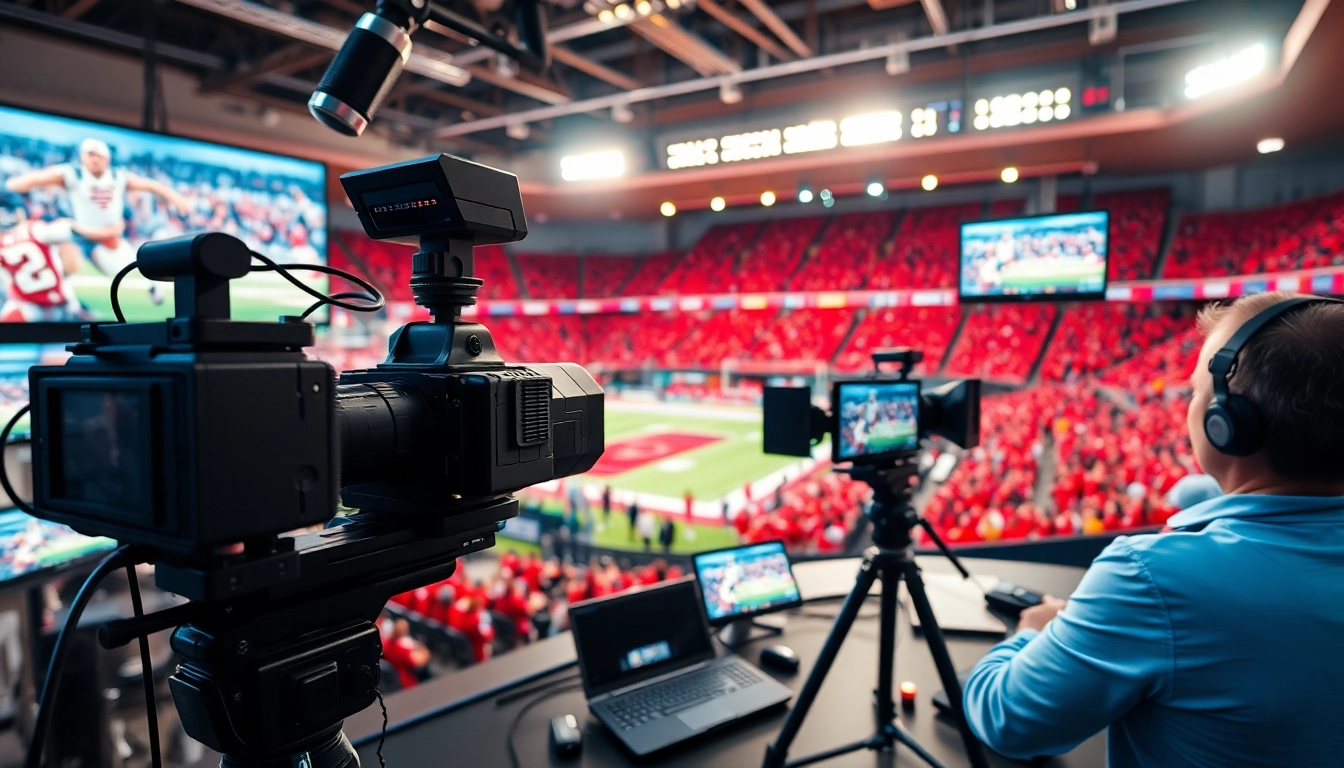
Understanding Sports Broadcasting
Sports broadcasting has become a crucial element of our viewing culture, blending entertainment, information, and engagement in ways that captivate audiences globally. It has evolved dramatically, adapting to changing technologies and audience preferences. This article explores the multifaceted world of Sports Broadcasting, its technological advances, content creation strategies, marketing efforts, and metrics for success to help you navigate this dynamic field.
The relevance of Sports Broadcasting cannot be overstated, as it enriches fan experiences and expands the reach of athletic events beyond local arenas.
The Evolution of Sports Broadcasting
Sports broadcasting has come a long way since its inception. From the early days of radio broadcasts, where listeners would visualize games based on audio commentary, to the high-definition and mobile broadcasts of today, each step of this evolution has been marked by technological advancements and viewer demand. The rise of television in the mid-20th century transformed the industry, making it possible to bring the excitement of live sports into living rooms across the nation.
As technology progressed, so did the methods of delivering sports content. Cable television expanded the reach, enabling more specialized sports channels to emerge, increasing viewer options. In recent years, the emergence of online streaming services has disrupted traditional broadcasting models, providing a more flexible way for viewers to engage with sports content.
Key Components of Sports Broadcasting
The cornerstone of successful sports broadcasting includes several key components such as content delivery, quality of commentary, graphics and visuals, and audience interaction. Each of these elements plays a pivotal role in creating an engaging viewer experience:
- Content Delivery: Ensuring timely and accurate broadcasting of live events and highlights is crucial.
- Quality of Commentary: Engaging commentators enhance viewer experience through insightful analysis and storytelling.
- Graphics and Visuals: High-quality visuals and real-time statistics enrich the broadcast, providing context and information.
- Audience Interaction: Incorporating viewer feedback through social media enhances engagement and creates community among fans.
Importance of Audience Engagement
Engaging the audience is not just about broadcasting a game; it involves creating an emotional connection. Prospective viewers are looking for more than just facts and scores—they want narratives that resonate with them personally. Creative storytelling, personalized messaging, and interactive features such as live polls and Q&A sessions can significantly enhance viewer engagement, making them feel an integral part of the sports experience.
Technology in Sports Broadcasting
Role of Streaming Services
The rise of streaming services has revolutionized how sports broadcasting operates. These platforms provide on-demand access to games and highlights, catering to a generation that values convenience. Viewers can watch their favorite sports from anywhere in the world on multiple devices, leading to a more personalized viewing experience. Moreover, streaming services often offer unique features such as behind-the-scenes content and alternative camera angles, setting them apart from traditional broadcasting.
Innovations in Broadcast Technology
Technology continues to advance at a rapid pace, introducing fresh innovations that transform sports broadcasting. High-definition broadcasting, 4K video, and even 8K resolutions enhance visual clarity. Technologies like virtual reality (VR) and augmented reality (AR) are being integrated into broadcasts, providing viewers with immersive experiences that replicate being at the event. Furthermore, the use of drones for aerial footage offers stunning visuals and new perspectives that enhance the overall broadcast narrative.
Impact of Social Media on Sports Broadcasting
Social media has become an integral part of sports broadcasting, shaping how content is distributed and consumed. Platforms such as Twitter, Facebook, and Instagram allow broadcasters to share live updates, highlights, and behind-the-scenes content instantaneously, enhancing viewer engagement. The interactive nature of social media enables fans to communicate with each other and with broadcasters, fostering community and discussion around their favorite teams and events, which can ultimately influence ratings and viewer loyalty.
Content Creation for Sports Broadcasting
Crafting Compelling Narratives
Compelling narratives underpin successful sports broadcasts. Each game is a story, complete with heroes, challenges, and emotional stakes. Content creators must develop engaging narratives that resonate with their audience and enhance the drama of the live event. Utilizing athlete backstories, team rivalries, and significant historical contexts can create a richer viewing experience that keeps audiences invested beyond the final whistle.
Utilizing Data and Analytics
Data plays a pivotal role in modern sports broadcasting. Statistical analysis and real-time data enhance commentary and storytelling, providing context that enriches viewer understanding. Detailed breakdowns of player performances and strategies can drive narrative development, making broadcasts more informative and engaging. Furthermore, broadcasters can adjust their content based on viewer analytics, ensuring they meet the audience’s preferences and interests.
Creating Interactive Broadcasts
Interactivity is key to modern sports broadcasting. Incorporating polls, quizzes, and live discussions during broadcasts can captivate viewers and enhance engagement. Interactive broadcasts allow audiences to feel more connected to the content, encouraging them to participate actively rather than passively consume information. Additionally, platforms that support live chatrooms or forums can help facilitate community interaction during events, further expanding engagement opportunities.
Marketing Strategies for Sports Broadcasting
Building a Strong Brand Presence
A strong brand presence is crucial for sports broadcasters, as it sets them apart in a crowded market. Engaging logos, consistent branding across platforms, and a clear mission statement help create a recognizable and trustworthy brand. Establishing a diverse content calendar that includes game broadcasts, highlights, interviews, and original shows can also strengthen a brand’s position in the viewer’s mind.
Engaging Sports Fans Across Channels
Multi-channel engagement is vital for reaching diverse audiences. Utilizing email marketing, social media, and video platforms allows broadcasters to engage viewers where they are most active. Tailoring content for each medium—be it short highlights for social media or in-depth analysis for newsletters—ensures that broadcasters can capture and retain viewer attention across multiple platforms.
Effective Promotions and Sponsorships
Promotions and sponsorships can create a win-win environment for broadcasters and brands. Collaborating with sponsors for promotions surrounding major sporting events can enhance visibility and attract new viewers. Co-branded content, giveaways, and exclusive sponsorship segments within broadcasts create added value for both the audience and the sponsors, driving engagement and enhancing the overall broadcast experience.
Measuring Success in Sports Broadcasting
Key Performance Indicators
Success in sports broadcasting can be measured using various key performance indicators (KPIs). Metrics such as viewership numbers, engagement rates on social media, and audience retention rates help broadcasters evaluate the effectiveness of their content. Tracking market share relative to competitors also provides insights into how well a broadcaster is performing in a crowded landscape.
Feedback and Audience Metrics
Gathering audience feedback is essential for improving broadcasting practices. Surveys, focus groups, and social media feedback can provide valuable insights into viewer preferences and pain points. Analyzing audience metrics enables broadcasters to adjust their strategies in real-time, optimizing content delivery based on viewer feedback and engagement data to enhance overall viewer satisfaction.
Future Trends in Sports Broadcasting
The future of sports broadcasting is likely to be driven by technology, with increased reliance on AI and machine learning for analytics and content delivery. Personalization will be a key focus area, allowing viewers to customize their viewing experiences based on preferences. Enhanced interactive capabilities and virtual reality elements will likely become more mainstream, offering fans a deeper connection to the sports they love.
Frequently Asked Questions
What is sports broadcasting?
Sports broadcasting refers to the transmission of live sports events and related content through television, radio, or online platforms, aiming to inform and engage audiences.
How has technology impacted sports broadcasting?
Technology has improved sports broadcasting through advancements in video quality, interactive features, and the rise of streaming services, enhancing viewer convenience and engagement.
What are the key elements of successful sports broadcasting?
Key elements include timely content delivery, high-quality commentary, engaging visuals, and audience interactivity, all of which work together to create a compelling experience.
How can broadcasters measure success?
Success can be measured by analyzing viewership data, engagement metrics, audience feedback, and tracking KPIs like market share and retention rates.
What trends are emerging in sports broadcasting?
Trends include increased personalization of viewing experiences, integration of augmented and virtual reality, and enhanced interactivity through digital platforms, shaping the future of the industry.