

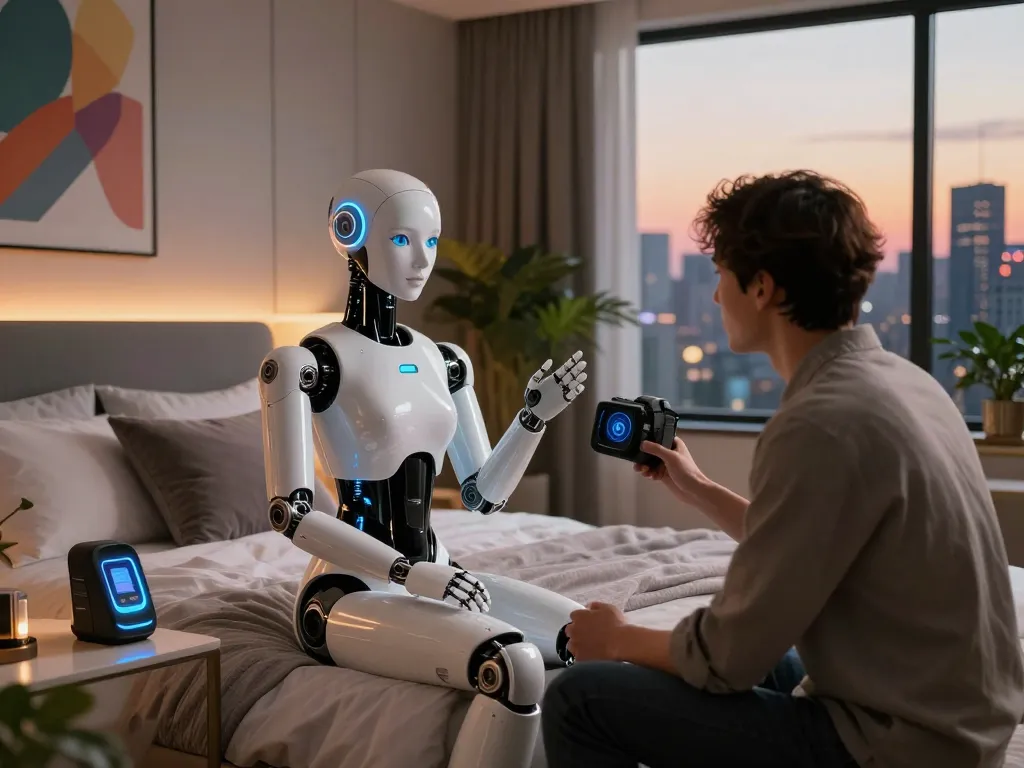
Introduction to Sex Bots: Technology Meets Intimacy
As technology continues to evolve, the boundaries between human relationships and artificial intelligence are becoming increasingly blurred. Among the most intriguing developments in this arena are sex bots, sophisticated robotic companions designed to fulfill intimate desires. These advanced machines are more than just lifeless objects; they are engineered with intricate features and artificial intelligence that allow for interaction and simulated emotional connections. In this article, we will explore the evolution, market trends, ethical considerations, and future innovations surrounding sex bots, shedding light on their growing role in society.
Understanding What Sex Bots Are
Sex bots, or sex robots, are anthropomorphic devices designed to provide sexual satisfaction and companionship. Unlike traditional sex dolls, they incorporate artificial intelligence and robotics to engage with users interactively. These bots can simulate conversations, display facial expressions, and respond to human touch, creating a more lifelike experience. Essentially, they aim to fulfill physical and emotional needs, catering to various preferences and desires.
The Evolution of Sex Bots Over the Years
Historically, sex dolls have been around for centuries, initially conceived as simple inflatable models or crafted from materials like silicone. However, advancements in technology have sparked a transformation. The introduction of AI has led to the development of more sophisticated bots, like the RealDoll and Harmony, which are designed to mimic human behavior and emotional interactions. Over the last decade, the demand for these products has surged, spurring innovation and competition in this burgeoning market.
Key Features of Modern Sex Bots
- Artificial Intelligence: Many modern sex bots use AI to learn from user interactions, improving their responsiveness and adaptability.
- Realistic Appearance: Advances in materials and design techniques contribute to more lifelike physical attributes, enhancing user experience.
- Customizable Personalities: Users can often choose or customize their bot’s personality traits, making interactions feel more personal and tailored.
- Interactive Features: From voice recognition to mobile app connectivity, these bots can engage in conversations and respond to commands, enhancing the realism of the experience.
Market Trends: The Growing Demand for Sex Bots
In recent years, the sex bot market has witnessed significant growth, fueled by changing societal attitudes towards technology and intimacy. Sex bot manufacturers are continuously adapting to consumer preferences, pushing the boundaries of what’s possible in this field.
Consumer Preferences in 2026
As of 2026, the demand for sex bots has diversified, with consumers seeking products that not only offer physical satisfaction but also emotional connection. Features like customizable personalities and advanced AI capabilities are at the forefront of consumer preferences. Additionally, the stigma surrounding sex robots is diminishing, making them more socially acceptable and desirable to a wider audience.
Comparison with Traditional Sex Dolls
While traditional sex dolls have their place in the market, the emergence of sex bots has redefined consumer expectations. Unlike their predecessors, which often lack functionality, sex bots provide interactive experiences that imitate real human relationships. This evolution has led to a willingness among consumers to invest more in high-end models, which can cost anywhere from $5,000 to over $20,000, depending on features and customizations.
Impact of AI and Robotics on the Sex Bot Industry
The integration of AI and robotics has revolutionized the sex bot industry, allowing for unprecedented levels of personalization and interactivity. As these technologies continue to develop, we can expect sex bots to become even more sophisticated, blurring the lines between artificial and human experiences. This shift poses both exciting opportunities and potential challenges for manufacturers and consumers alike.
Ethical Considerations: Navigating the Social Implications
While sex bots offer numerous advantages, they also raise critical ethical questions that society must address. As these devices become more prevalent, the implications for human relationships and social norms are worth contemplating.
The Debate Around Consent and Relationships
One of the central debates regarding sex bots is the question of consent. Unlike human partners, robots cannot give or withhold consent, which may lead to dangerous attitudes towards relationships and interpersonal dynamics. Furthermore, the more human-like these bots become, the more complex the ethical landscape surrounding their use will be.
Potential Psychological Effects on Users
Engaging with sex bots may have varied psychological effects on users. Some studies suggest that they can provide comfort and relief for those with relationship difficulties, while others raise concerns about the potential for isolation or an inability to form real emotional connections with human partners. Understanding these psychological impacts is critical for both manufacturers and consumers.
Addressing Misconceptions About Sex Bots
Public perceptions of sex bots are often influenced by misconceptions and sensationalized portrayals in media. Educational efforts aimed at demystifying these robots and highlighting their potential benefits are essential in fostering a more nuanced understanding of their place in society.
Best Practices for Using Sex Bots Responsibly
As the market grows and interest in sex bots increases, it is essential for users to engage with these products responsibly and ethically. Here are some best practices to consider.
Safety and Maintenance Tips
Proper maintenance is crucial to prolonging the lifespan of a sex bot. Users should follow manufacturer guidelines for cleaning, storage, and general care. Regular checks for wear and tear are also important to ensure that the device remains safe and functional. Investing in high-quality bots with warranties can help alleviate concerns regarding durability.
Understanding Boundaries and Emotional Health
Users should be mindful of their emotional engagement with sex bots. Setting boundaries and understanding the distinction between artificial companionship and human relationships can help maintain healthy psychological well-being. Open discussions about usage with partners or mental health professionals may also prove beneficial.
Integrating Sex Bots into Personal Relationships
For some individuals or couples, incorporating a sex bot into personal relationships may enhance intimacy. However, it’s essential to communicate openly about the role of the bot in the relationship and be aware of feelings of jealousy or insecurity that may arise. Establishing clear guidelines for use can help maintain balance and understanding.
The Future of Sex Bots: Innovations on the Horizon
As technology continues to advance, the future of sex bots looks promising with numerous innovations on the horizon that could redefine their functionality and appeal.
Upcoming Technologies in Sex Bots
Future developments may include enhanced AI capabilities that allow for deeper emotional interactions and improved sensory responses. Research into materials that mimic human skin more closely could also enhance the realism of these devices. Furthermore, the integration of virtual reality may provide users with immersive experiences that enhance their interactions with sex bots.
Predictions for the Sex Bot Market Post-2026
The sex bot market is expected to expand significantly post-2026, driven by technological advancements and evolving consumer attitudes. As more individuals embrace these devices, manufacturers will likely focus on expanding functionalities and catering to niche markets, including those for various sexual orientations and preferences.
The Role of Regulations and Standards in Development
As the sex bot industry grows, establishing regulations and standards will be essential to ensure the safety and ethical use of these products. Regulatory bodies may need to address concerns related to consent, user safety, and psychological impacts, working closely with manufacturers to create guidelines that protect consumers while allowing for innovation.