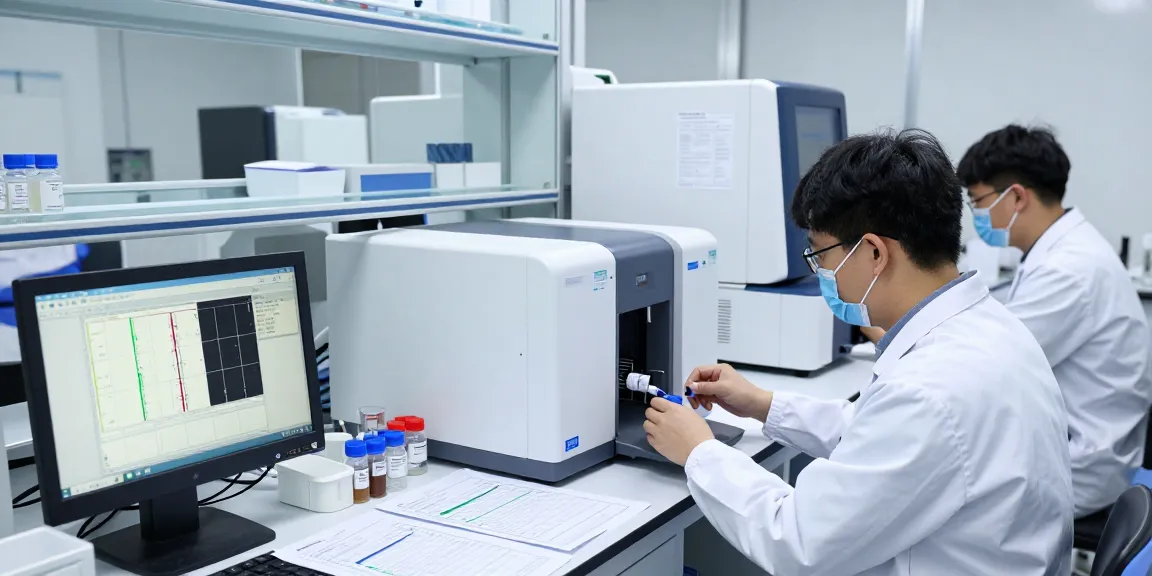
Understanding Aegean Labs Peptide Testing
In the complex world of biochemistry, where peptides play a vital role in numerous biological processes, establishing a reliable testing methodology is essential. Aegean Labs Peptide testing sets the benchmark in peptide analysis by seamlessly integrating advanced technologies with rigorous quality standards. As the demand for precise and credible data continues to surge in biopharmaceuticals and research, understanding the nuances of peptide testing becomes increasingly important.
What is Peptide Testing?
Peptide testing refers to a comprehensive suite of analytical methods employed to evaluate the purity, identity, and concentration of peptide compounds. Peptides, which are short chains of amino acids, serve various functions in biological systems, including hormonal roles, cellular signaling, and enzymatic activities. Therefore, it is crucial to ensure that these compounds meet the required specifications for both research and therapeutic applications.
Importance of Purity in Peptide Analysis
Purity is a fundamental parameter in peptide analysis, as impurities can significantly impact the efficacy and safety of peptide-based therapies. For instance, contaminated peptides can lead to adverse reactions when administered in clinical settings. Hence, rigorous testing protocols are implemented to achieve a purity level that adheres to industry standards, often set at 95% or higher. Ensuring peptide purity not only enhances product reliability but also builds trust with clients and regulatory agencies.
Aegean Labs' ISO 17025-Aligned Quality Systems
Aegean Labs prides itself on its ISO 17025-aligned quality management systems, ensuring that all processes from sample handling to reporting are conducted under stringent quality controls. This alignment guarantees that the laboratory meets international standards for testing and calibration, fostering confidence in its methodological approaches. Continuous training and development of personnel ensure that Aegean Labs remains at the forefront of analytical advancements in peptide testing.
Core Techniques in Peptide Testing
High-Performance Liquid Chromatography (HPLC)
One of the cornerstone techniques in peptide testing is High-Performance Liquid Chromatography (HPLC). HPLC is widely regarded for its ability to accurately separate and quantify components in a mixture. At Aegean Labs, UV detection at 214nm is employed for precise peptide separation, allowing for the identification of individual peptide components based on their unique absorption characteristics. This method not only facilitates the assessment of purity but also enhances the overall reliability of test results.
Mass Spectrometry for Molecular Characterization
Mass spectrometry (MS) is another integral technique used for the molecular characterization of peptides. At Aegean Labs, the LC-MS/MS method enables high-resolution molecular identification and characterization, providing critical insights into the structure and mass of the peptides being analyzed. The integration of mass spectrometry with chromatographic methods allows for a comprehensive understanding of the peptide profiles, ensuring that clients receive reliable and detailed analytical data.
Endotoxin Testing and Compliance
For any peptide intended for therapeutic use, endotoxin testing is vital. The presence of endotoxins can pose significant health risks, making it essential to adhere to pharmaceutical-grade compliance. Aegean Labs employs Limulus Amebocyte Lysate (LAL) assay methods, which demonstrate sensitivity to as low as 0.005 EU/mL, ensuring that products are safe for administration. Compliance with regulatory standards is not just a requirement but a commitment to patient safety and product quality.
Reporting and Transparency in Testing Processes
Understanding the Aegean Labs Reporting Format
Acore component of Aegean Labs' service is its transparent reporting format. Each report is meticulously crafted to provide clients with a comprehensive overview of the testing process and results. HPLC chromatograms illustrate the separation profiles utilized for purity assessment, while mass spectrometry data substantiate the identity of the target compounds. This level of detail enables clients to understand and interpret results with confidence, ensuring clarity in communication.
Key Data Points in Analytical Reports
Analytical reports from Aegean Labs encompass several key data points that play a crucial role in understanding analytical outcomes. These include:
- Sample preparation details that outline the method of handling and processing samples.
- Methodology descriptions that explain the testing approach, including instrumentation and specific workflows used.
- Analyst records to ensure accountability and traceability for each report, linking results back to the individual analysts.
- Batch matching information to connect tested samples with their respective lots, enhancing the integrity of the testing process.
Importance of Traceability and Verification IDs
Traceability is a cornerstone of reliable analytical testing, and Aegean Labs addresses this through its unique verification IDs assigned to each report. This system not only guarantees the authenticity of the results but also allows clients to cross-verify the information through an instant verification system. Such measures instill confidence in the data provided, ensuring that clients can trust the reports they receive.
Addressing Common Challenges in Peptide Testing
Overcoming Misconceptions about Peptide Purity
One of the prevalent challenges in peptide testing is the misconception regarding purity. Many clients believe that a high concentration of active ingredient automatically implies purity. However, impurities can still exist at low concentrations, which can negatively impact functionality. Education around this issue is key, and Aegean Labs actively works to clarify the intricacies of peptide purity, ensuring that clients are well-informed about the quality of their products.
Best Practices for Sample Handling and Preparation
Effective sample handling and preparation are crucial to achieving accurate testing results. Aegean Labs emphasizes the following best practices:
- Use clean, compatible containers to prevent contamination.
- Maintain a consistent temperature during transportation and storage to preserve sample integrity.
- Follow established protocols for sample preparation to ensure reproducibility.
- Document all handling procedures to maintain traceability and accountability.
Common Pitfalls in Analytical Testing and How to Avoid Them
Several common pitfalls can undermine the integrity of analytical testing. These include:
- Inadequate calibration of equipment, which can lead to inaccuracies in measurement.
- Failure to follow standardized protocols, resulting in inconsistencies across tests.
- Neglecting to document changes in methodology that may impact results.
By adhering to strict protocols and engaging in continuous training, laboratories can mitigate these risks and ensure the highest quality outcomes.
The Future of Peptide Testing: Trends for 2026 and Beyond
Emerging Technologies in Analytical Chemistry
The field of analytical chemistry is rapidly evolving, driven by advances in technology. Innovations such as artificial intelligence and machine learning are poised to transform peptide testing by enhancing data analysis efficiency and accuracy. Aegean Labs is already exploring these technologies to optimize testing processes, offering clients even more precise results.
Predictions for Peptide Testing Innovations
Looking ahead to 2026, it is expected that peptide testing will see significant innovations, including:
- Enhanced automation in testing protocols, minimizing human error and increasing throughput.
- Integration of real-time monitoring systems for immediate feedback on sample integrity throughout testing.
- Development of novel analytical techniques that improve sensitivity and specificity in detection, particularly for low-abundance peptides.
How Aegean Labs is Leading the Way
Aegean Labs is committed to remaining at the forefront of the peptide testing industry by investing in research and development. Continuous upgrades to laboratory equipment and methodologies ensure compliance with growing standards, while ongoing training for staff guarantees expertise in the latest analytical techniques. Aegean Labs is dedicated to not only meeting but exceeding the expectations of clients in the evolving landscape of peptide research and therapeutics.
What are the benefits of using Aegean Labs for peptide testing?
Utilizing Aegean Labs for peptide testing offers numerous advantages, including unparalleled precision in analytical results, adherence to international quality standards, and a commitment to transparency in reporting. Clients benefit from a thorough understanding of their peptide profiles and can make informed decisions based on reliable data, fostering trust in their research or product development.
How does HPLC improve peptide analysis accuracy?
HPLC enhances peptide analysis accuracy through its ability to separate complex mixtures effectively. By utilizing UV detection and advanced chromatographic techniques, Aegean Labs can distinguish between closely related peptides and quantify them with precision, significantly reducing the potential for overlap in results and ensuring that clients receive clear, actionable insights.
What should I include in my peptide testing report?
A comprehensive peptide testing report should encompass several key elements, including detailed chromatograms, mass spectrometry data, method descriptions, and any relevant sample preparation notes. The inclusion of analyst information and verification IDs also enhances the report's credibility, ensuring clients can trace results back to their origins.
How can I ensure my samples are handled correctly?
To ensure proper sample handling, adhere to established protocols, utilize appropriate storage conditions, and document all procedures. Regular staff training on best practices in sample preparation and handling is essential for maintaining sample integrity and achieving reliable outcomes in peptide testing.
What are the future trends in peptide testing for 2026?
Future trends in peptide testing are expected to include the integration of advanced automation, real-time monitoring technologies, and a continued shift towards more precise analytical methodologies. As the demand for high-quality peptide products increases, laboratories will strive to innovate and adapt to meet the evolving needs of the industry.