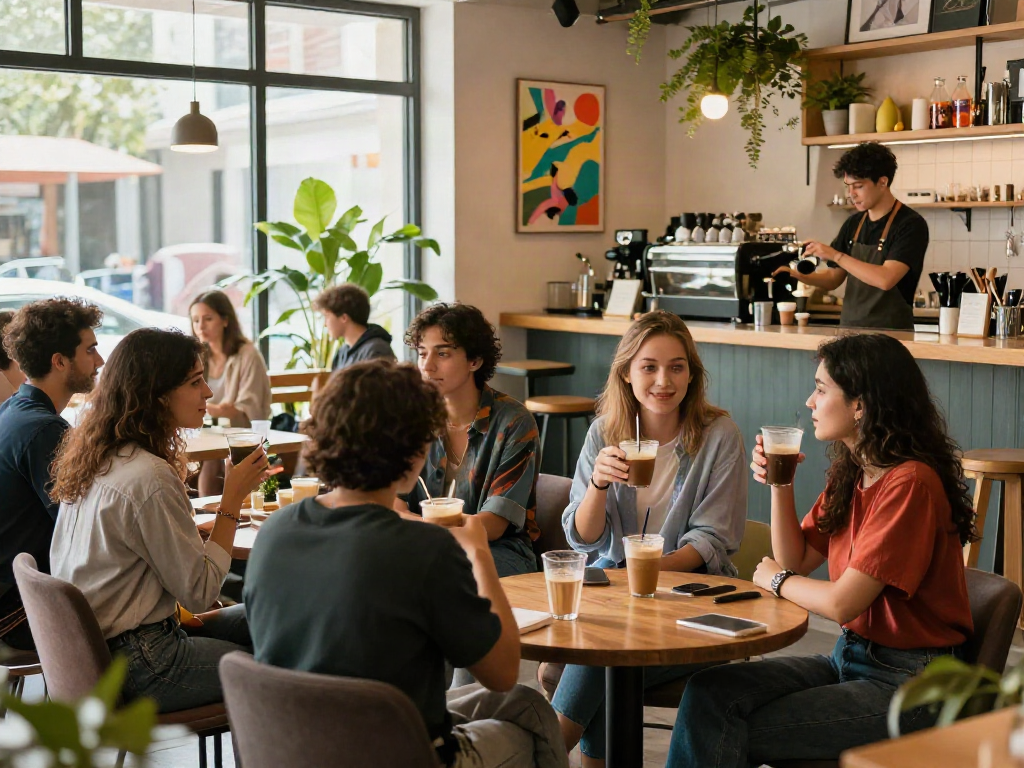
The Importance of Choosing the Right Hangout Spot
In today's fast-paced world, finding the ideal place to relax and connect with others has become increasingly crucial. As social creatures, humans thrive on interaction, and the spaces we choose to inhabit greatly influence our experiences. Whether it’s a cozy café, a vibrant park, or a well-designed social hub, the location can either enhance or hinder social interactions. Understanding the dynamics of hangout spots is essential for creating memorable experiences that resonate with visitors. A well-curated environment not only fosters connection but also strengthens community ties, making it imperative to consider various factors when selecting a social space.rokok88 provides insights into how these elements coalesce to shape meaningful encounters.
Why Location Matters for Social Interactions
The geographical and social context of a hangout spot profoundly impacts how individuals engage with one another. For instance, a location that is easily accessible encourages more foot traffic and spontaneous gatherings. In urban areas, proximity to public transportation, parking facilities, and pedestrian pathways can significantly increase a venue's popularity. Moreover, the surroundings play a pivotal role; a trendy neighborhood with appealing aesthetics can attract a diverse crowd, enhancing the social atmosphere.
Additionally, understanding the local demographic is vital. Different age groups and cultures may have varying preferences for hangout spots. For example, younger crowds might lean towards vibrant nightlife districts, while families may prefer parks or cafes that offer child-friendly amenities. Tailoring the experience to the audience not only fulfills expectations but also encourages repeat visits and loyalty.
Understanding Your Audience: Preferences and Trends
To create engaging social spaces, it’s crucial to grasp the preferences of your target audience. Trends in social behavior can shift quickly, influenced by various factors such as technological advancements, societal changes, and cultural moments. For example, the rise of remote work has spurred a demand for versatile spaces that cater to both social and professional needs. Venues that can accommodate this dual purpose—such as cafes with ample power outlets or community centers hosting events—are gaining popularity.
Engagement can also be enhanced through understanding current trends in social interactions. For instance, integrating live music or themed events can draw in crowds and create a lively atmosphere. Furthermore, social media plays a significant role in shaping these preferences; aesthetically pleasing spaces often encourage patrons to share their experiences online, which can amplify word-of-mouth marketing.
How Atmosphere Influences Engagement and Connection
The atmosphere of a social space encompasses everything from interior design and lighting to the background music played. These elements work in tandem to create a mood that encourages interaction. For instance, soft lighting and comfortable seating can facilitate intimate conversations, while bright colors and upbeat music can energize the environment, making it ideal for larger gatherings.
Moreover, the layout of a venue is essential. Spaces that encourage movement and mingling—such as communal tables or lounge areas—can foster spontaneity and interactions among patrons who might not otherwise connect. On the other hand, overly formal or rigid layouts can stifle conversation and discourage social engagement.
Common Misconceptions About Social Spaces
Misunderstanding the Role of Ambience
One common misconception is that the decor of a social space is merely for aesthetics. In reality, ambience directly influences mood and behavior. A poorly designed space, even if visually appealing, can lead to discomfort for guests, ultimately detracting from their overall experience. Understanding how elements like sound, fragrance, and visual appeal interact can help create a more inviting atmosphere.
Ignoring the Impact of Community Dynamics
Some venues neglect the importance of community dynamics, assuming that a well-decorated space will naturally draw patrons. However, a successful hangout spot must also resonate with the local community’s culture and values. Engaging with residents and gathering feedback helps ensure that the venue aligns with their needs and preferences, leading to greater success and community support.
Believing That All Spaces Are Created Equal
Another misconception is that all social spaces offer similar experiences. This is far from the truth. Each venue has its unique character, shaped by factors like location, target audience, and purpose. For instance, a trendy bar in a bustling entertainment district may attract a different crowd compared to a quiet bookstore cafe in a residential area. Understanding these distinctions is crucial for businesses aiming to position themselves effectively in the market.
Best Practices for Creating Memorable Experiences
How to Curate an Inviting Venue
Curating an inviting venue involves careful consideration of design and functionality. Start with the basics: comfortable seating, good lighting, and appealing decor. Consider incorporating elements that reflect the local culture or history, which can create a sense of belonging for guests. Additionally, hosting community events can foster relationships and loyalty among patrons.
Incorporating Elements of Comfort and Style
The balance between comfort and style is pivotal in any social space. While trendy designs can attract attention, ensuring that guests feel at ease is paramount. Comfortable seating arrangements, accessible restrooms, and climate control can significantly enhance the overall experience. Offering amenities such as Wi-Fi and charging stations can also cater to modern needs, making the space more functional.
Strategies for Enhancing Customer Engagement
Engaging customers requires a proactive approach. Regularly update your offerings and curate events that align with audience interests. Use social media platforms to connect with patrons, share experiences, and showcase upcoming events. Encouraging feedback through surveys allows patrons to voice their opinions, which can guide improvement efforts and foster a sense of community ownership.
Real-World Examples of Successful Local Spots
Case Study: The Transformation of a Community Space
A great example of a successful transformation can be seen in local libraries that have evolved into vibrant community hubs. By integrating technology, offering workshops, and hosting events, they have redefined their roles from mere book repositories to interactive social spaces. This approach has led to increased foot traffic and greater community involvement.
What We Can Learn from Innovative Hangout Trends
Innovative trends such as pop-up shops and themed cafes show the importance of adaptability in social spaces. These venues often create unique experiences that draw interest, encouraging patrons to seek out novelty in their social interactions. By experimenting with concepts and responding to feedback, businesses can stay ahead of the curve.
Feedback Loops: Gathering Insights for Improvement
Establishing feedback loops—where patrons can regularly share their experiences—provides invaluable insights that can drive enhancements. Platforms like social media and online surveys can facilitate communication, helping venues understand what patrons love or where improvements are needed. Implementing suggestions can create a stronger bond between the business and the community.
Future Trends in Social Spaces for 2026 and Beyond
Emerging Concepts: Hybrid Spaces and Their Appeal
As society evolves, so do social spaces. The future points towards hybrid venues that seamlessly blend various functions—such as dining, entertainment, and co-working. These versatile spaces cater to the changing needs of patrons who may want to grab coffee while working or unwind with friends after a long day. Designing adaptable environments can lead to sustained interest and engagement.
How Technology is Shaping Social Interactions
Technology's role in shaping social interactions cannot be understated. From apps that facilitate social planning to virtual reality experiences, tech innovations continue to redefine how we engage with our surroundings. Smart venues that incorporate digital elements, such as augmented reality experiences or online reservation systems, can enhance convenience and interaction, making the space more appealing.
Predictions for Community Engagement in Urban Environments
Looking ahead, community engagement in urban environments will likely focus on inclusivity and accessibility. Spaces that prioritize these values will attract diverse crowds, fostering richer interactions. Urban planners and business owners will need to collaborate with community members to ensure their venues meet the needs of all citizens, thereby creating a more vibrant and interconnected social fabric.
What are the key factors to consider when choosing a social hangout spot?
Key factors include location, accessibility, ambiance, and the target audience. Understanding the unique preferences and needs of the community can guide choices in decor, services, and event programming.
How can venues improve their atmosphere for guests?
Venues can enhance their atmosphere by focusing on design elements such as lighting, seating comfort, and layout. Additionally, incorporating local art or community themes can create a welcoming environment that resonates with guests.
What trends are emerging in social spaces for 2026?
Emerging trends include hybrid spaces that serve multiple purposes, increasing technological integration, and a focus on community-oriented design. Venues that adapt to these trends are likely to thrive.
How do I engage with my community in social settings?
Engaging with the community can be achieved through hosting events, gathering feedback, and actively participating in local initiatives. Creating opportunities for interaction fosters stronger relationships and loyalty.
What are the biggest mistakes people make when socializing?
Common mistakes include failing to listen actively, being overly focused on personal agendas, and neglecting body language cues. Building awareness of these pitfalls can enhance social interactions and improve connections.